Conversation
K. Ryabitsev-Prime 🍁
monsieuricon
Image restoration using AI
Show content
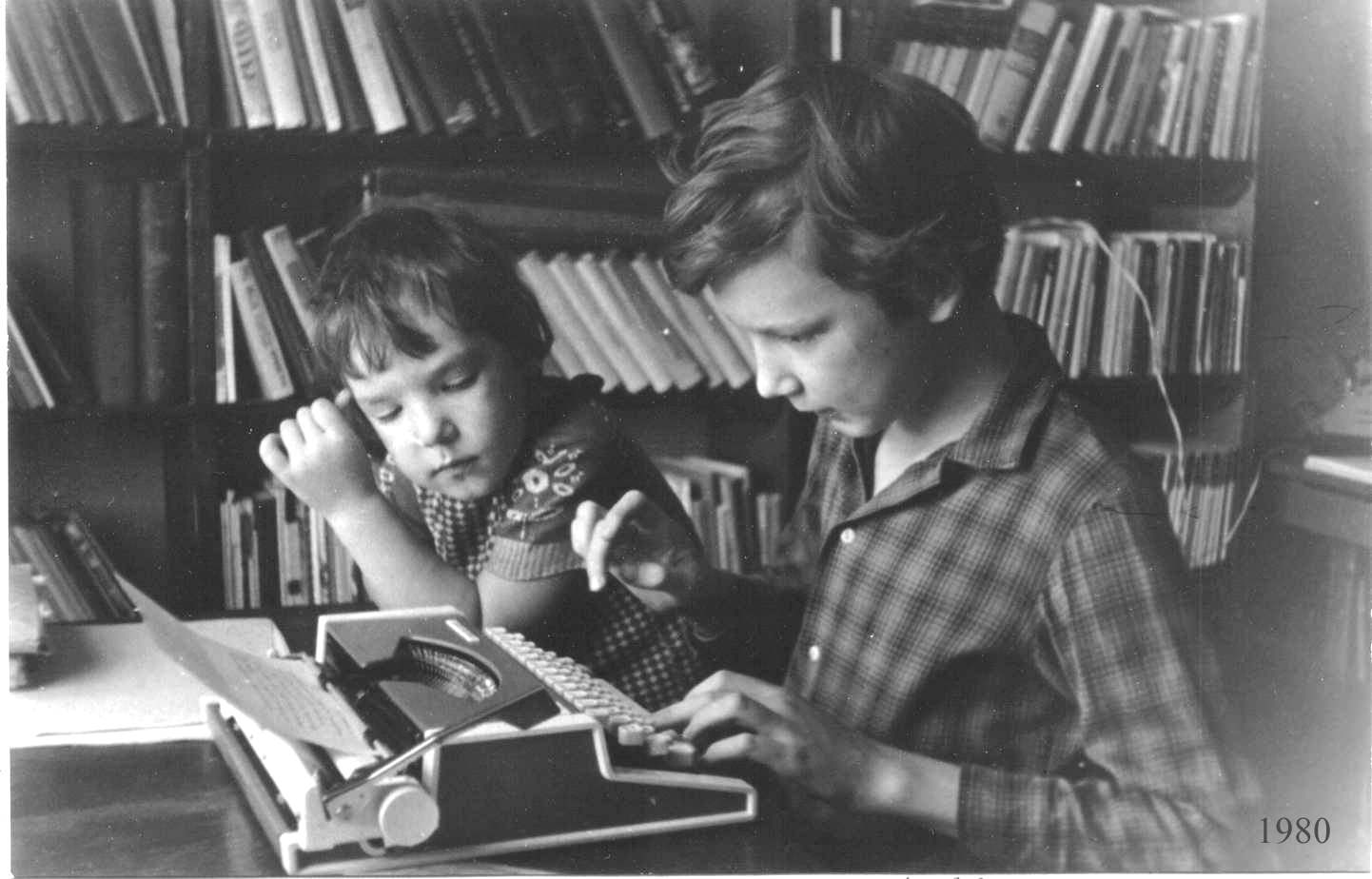
I have a significant collection of old photos from my parents. The quality on them is pretty atrocious -- they were all developed and processed at home in our tiny bathroom and then in my dad's "office" with the windows blocked off and red light on. I still remember using a towel and hand rollers to put the photos onto the metal sheets and clip them onto the heater to give the photos that nice gloss. Anyway, they all had dust, odd exposure effects and other amateur photography damage.
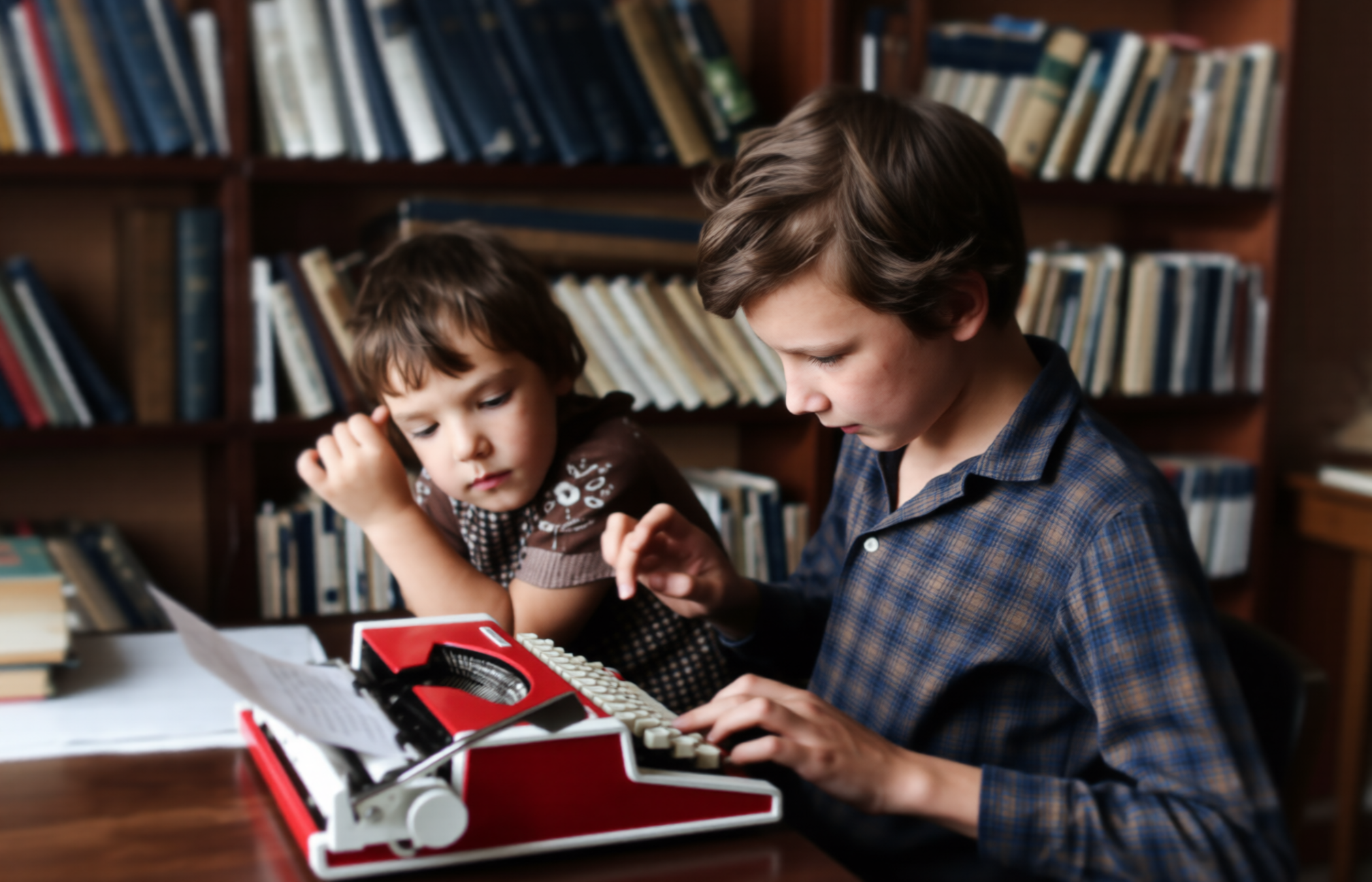
I knew that some SD models are capable of image editing, so I spent a few evenings playing around with restoring damaged photos using ComfyUI and my Nvidia card (no cloud services were used). The results are not too bad, considering I used basic workflows and didn't even get too deep into image masks and targeted prompts. A lot of the charm of the old photos is naturally lost, but I think there's value in doing something like this while I can still tell a bad render, where the person looks nothing like their true self, from a pretty accurate approximation.
Of course, the models are still ethically dubious, because there is no accounting how they were sourced, but I don't feel too terrible when I use them to restore old damaged family photos.
I knew that some SD models are capable of image editing, so I spent a few evenings playing around with restoring damaged photos using ComfyUI and my Nvidia card (no cloud services were used). The results are not too bad, considering I used basic workflows and didn't even get too deep into image masks and targeted prompts. A lot of the charm of the old photos is naturally lost, but I think there's value in doing something like this while I can still tell a bad render, where the person looks nothing like their true self, from a pretty accurate approximation.
Of course, the models are still ethically dubious, because there is no accounting how they were sourced, but I don't feel too terrible when I use them to restore old damaged family photos.
 1
1
 0
0
 8
8
data0
data0@indieweb.social
Image restoration using AI
Show content
@monsieuricon I don't know. It's certainly interesting. But it's more of a glimpse into a parallel universe than a window into time. Although this example seems more edited than recreated, things from the training data have still crept in (your brother's ear, the bokeh). And the little details matter just as much, I think.
0
0
0